The Essential Guide to Plumbing and Drain Cleaning Services for Your Home
Maintaining a home's functionality relies heavily on plumbing and drain cleaning services. Homeowners often encounter common issues like leaks, clogs, and running toilets. While some problems can be resolved with basic skills, more complex situations may require professional help. It's important to understand when assistance is needed and how to choose the right service provider. The following sections will examine these aspects thoroughly, providing insights that may be valuable to any homeowner.
Identifying Common Plumbing Challenges and Their Remedies
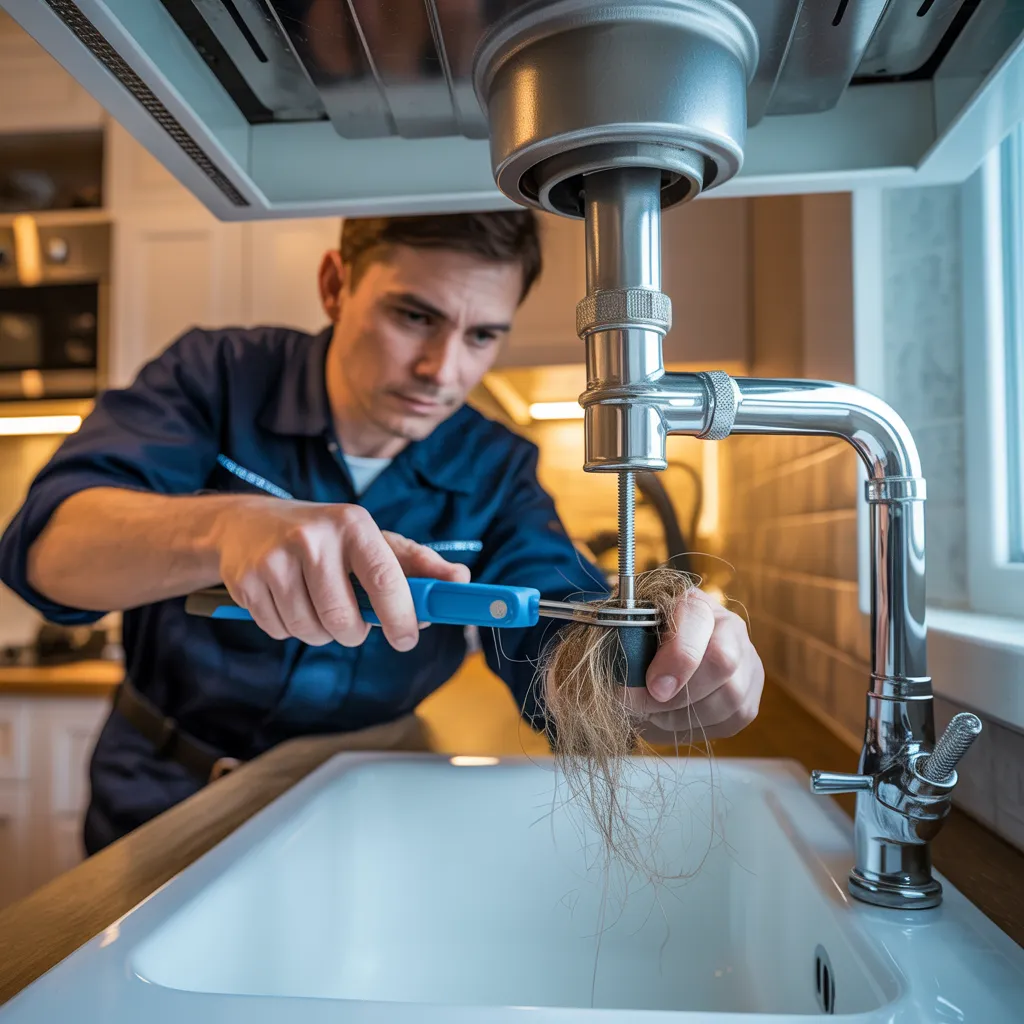
Many homes deal with plumbing issues at some point, making it essential to detect common problems and their solutions. One frequent issue is leaky faucets, which can waste water and elevate utility bills. The solution often involves replacing deteriorated washers or O-rings. Clogged drains are another widespread problem, typically caused by hair, grease, or debris. Clearing the blockage with a plunger or a plumbing snake often solves this issue. Running toilets, characterized by constant water flow, may indicate a malfunctioning flapper valve that needs replacement. Moreover, low water pressure can result from sediment buildup in pipes, which may require professional cleaning. Finally, burst pipes due to freezing temperatures or corrosion demand prompt attention to prevent significant water damage. Detecting these common plumbing problems allows homeowners to take forward-thinking measures and seek necessary repairs, ensuring a operational and efficient plumbing system.
The Significance of Routine Drain Cleaning
Regular drain cleaning serves a vital purpose in maintaining a healthy plumbing system. Over time, grease, food particles, and debris can collect within pipes, resulting in clogs that impede normal drainage. These blockages can lead to slow drains, unpleasant odors, and even significant plumbing issues if left untreated. Routine upkeep helps avoid these problems, ensuring that water flows properly and efficiently throughout the home.
Additionally, clean drains lead to better hygiene by lowering the risk of mold and bacteria growth. Homeowners who focus on drain cleaning often save on costly repairs, as early intervention can address more severe issues. Furthermore, routine cleaning can increase the lifespan of plumbing fixtures, improving overall home value. By maintaining regular drain cleaning, homeowners not only protect their plumbing systems but also foster a healthier living environment for their families.
How to Pick the Right Plumbing Service for Your Home
Choosing the right plumbing service necessitates thorough consideration of various factors. Assessing the experience and expertise of prospective providers, comparing pricing and estimates, and verifying licensing and insurance are essential steps. These elements guarantee that homeowners select a trustworthy and qualified service to satisfy their specific plumbing needs.
Review Expertise And Experience
How can one ensure they choose a plumbing service that meets their specific needs? Assessing a company's experience and expertise is critical. Homeowners should search for services that have been in business for several years, as longevity often reflects reliability and proficiency. In addition, checking for certifications and licenses ensures that the plumbers are qualified to handle various tasks. It is also beneficial to question about the types of plumbing issues the company concentrates on, as some may focus on residential services while others might serve commercial needs. Reading customer reviews and testimonials can provide information about the quality of work and customer satisfaction. In the end, a well-rounded assessment of experience and expertise will guide homeowners to make sound decisions.
Evaluate Pricing And Quotations
When examining plumbing services, evaluating pricing and estimates is essential for making an informed choice. Homeowners should request detailed written estimates from multiple companies to guarantee transparency and avoid hidden fees. It's vital to understand what each estimate includes, as some services may encompass additional aspects like drain cleaning or emergency calls, while others might not. Price variations can result from factors such as the complexity of the job, the materials used, and the company's reputation. A lower price may not always suggest better value; quality of service and customer satisfaction should also be factored in. Ultimately, balancing cost with the service offered will provide a more satisfactory plumbing experience.
Validate Insurance And Licensing
A trustworthy plumbing service should always be supported by appropriate licensing and insurance. This not only confirms that the plumber has fulfilled local regulations and standards but also protects homeowners from potential liabilities. Before hiring a plumbing service, it is essential to verify their licensing status through local authorities or regulatory bodies. Insurance coverage, including general liability and worker's compensation, is just as critical. It shields homeowners from damages that may occur during the job and covers injuries that employees might experience on-site. Consumers should ask for proof of both licensing and insurance upfront, as reputable services will have no hesitation in supplying this information. Prioritizing these factors can result in a safer and more satisfactory plumbing experience.
DIY Plumbing Fixes: When to Handle It Yourself
When confronted with minor plumbing concerns, homeowners often ask themselves if they can tackle the repairs on their own. Common concerns such as a leaky faucet, a clogged sink, or a running toilet can often be fixed without professional assistance. Simple tasks like replacing a washer, using a plunger, or adjusting the float in a toilet tank typically fall within the DIY domain.
Before trying any repairs, it is crucial for homeowners to evaluate their skill level and the complexity of the issue. For simple fixes, online tutorials and local hardware store advice can offer valuable guidance. However, if the problem lingers or escalates, seeking professional help is wise. Homeowners should also be aware that specific plumbing tasks may require particular tools or codes, which can complicate DIY efforts. Ultimately, knowing when to step back is essential to circumvent further complications in plumbing systems.
How to Recognize the Need for Professional Drain Cleaning?
Understanding in plumbing maintenance is vital for homeowners to sidestep more serious issues down the line. Identifying when to seek professional drain cleaning can conserve time and money. A constant foul odor emanating from drains often suggests trapped debris or buildup, demonstrating the need for expert intervention. Regular slow drainage, even after minor efforts at clearing, suggests deeper blockages needing specialized tools. Frequent backflows or gurgling sounds can also suggest that the plumbing system is experiencing problems, warranting professional assessment. Homeowners should pay attention to any recurring clogs, as they may be symptomatic of underlying issues. Furthermore, if DIY methods are unable to resolve drainage problems, it is prudent to consult a professional. Regular inspections can help proactively identify problematic areas, ensuring the plumbing system functions efficiently and efficiently. Taking these signs seriously can avoid costly repairs and sustain a healthy home environment.
Grasping Drain Cleaning and Plumbing Expenses
Comprehending plumbing and drain cleaning costs requires evaluating multiple contributing factors. These encompass the sophistication of the project, the materials utilized, and the area's market pricing. Common service cost ranges view this can deliver a valuable reference point for homeowners pursuing professional assistance.
Elements Affecting Costs
Cost considerations in plumbing and drain cleaning services are affected by a variety of factors. The difficulty of the job serves as a significant role; intricate plumbing issues often need more time and specialized skills, elevating costs. Geographic location is another key factor, as labor rates and material costs can vary widely between regions. The urgency of the service also impacts pricing; emergency calls typically incur higher fees. Moreover, the age and condition of plumbing systems can impact costs, as older systems may need more substantial repairs or updates. Finally, the pick of materials and equipment can further impact expenses, with top-tier options generally leading to higher initial costs but potentially decreasing long-term maintenance needs.
Common Service Rate Parameters
When examining typical service price ranges for plumbing and drain cleaning, homeowners may encounter a wide spectrum of costs. Basic plumbing services, such as faucet repairs or pipe installations, commonly range from $100 to $500, depending on the difficulty level of the job. More involved tasks, like sewer line repairs, can increase from $1,000 to over $3,000. Drain cleaning services usually range from $75 to $300, affected by factors such as the severity of the blockage and the required methods. Hourly rates for plumbers can vary significantly, often falling between $45 and $200. Understanding these price ranges assists homeowners prepare financially for necessary plumbing and drain cleaning services, ensuring they can address issues swiftly and competently.
Frequently Asked Questions
You can identify a concealed plumbing leak by unusual surges in your water bill, moisture marks appearing on walls or ceilings, mold growth, water stains, and detecting the sound of running water when all fixtures are turned off.
What Can I Do to Prevent Drain Clogs?
To prevent clogs in drains, one should regularly clean drains, avoid disposing of grease or large food particles, use drain covers, and periodically flush with hot water or vinegar to maintain ideal flow.
How Should I Handle a Plumbing Emergency?
In a plumbing emergency, one should disable the main water supply, review the situation, and identify the source of the issue. Reach out to a qualified plumber as soon as possible for assistance to avoid further damage.
Do You Provide Eco-Friendly Plumbing Options?
Eco-friendly plumbing solutions are indeed available. Many companies offer water-conserving fixtures, environmentally safe materials, and sustainable materials. These alternatives decrease environmental impact while maintaining efficiency and performance in home plumbing installations.
How Often Should I Schedule Plumbing Inspections?
It's best to schedule plumbing inspections on an annual basis to identify potential problems early. However, homeowners in aging homes or those facing repeated issues may profit from twice-yearly inspections to ensure superior system performance and avoid costly repairs.